tax planning in Branford CT

Shot of businesswoman doing some paperwork while sitting behind her notebook at office desk.

The Fed Lowers Interest Rates for Second Straight Time

Key Takeaways The Fed’s recent rate cut to around 3.75-4% makes borrowing and refinancing more affordable for Connecticut businesses. Lower rates can boost consumer spending and business confidence, offering potential growth opportunities. Despite the upside, inflation and market uncertainty mean this window for low-cost borrowing may be temporary. Revisit your debt structure and cash flow […]

The Fed Lowers Interest Rates for Second Straight Time Read More »

USA shutdown and United States government closed and american federal shut down due to spending bill disagreement between the left and the right pas a national finance symbol with 3D illustration style.

Your Business & the Government Shutdown

Key Takeaways The IRS remains open during the shutdown, but processing refunds and correspondence is significantly slower. Businesses should expect cash-flow disruptions if clients rely on government contracts or regulated industries. SBA loan delays could affect refinancing, expansion, or new equipment purchases. Benefit and insurance premiums may rise due to uncertainty in federal oversight. Proactive

Your Business & the Government Shutdown Read More »

Tax Changes Reform Impact on Your Return Amount Due IRS 3d Illustration

New Tax Brackets, Bigger Deductions, and More: Inside the 2026 IRS Adjustments

Key Takeaways The IRS has released inflation-adjusted increases for more than 60 tax provisions for Tax Year 2026 (returns filed in 2027). The standard deduction for married filing jointly rises to $32,200, and other filing statuses also get meaningful increases. Top marginal tax rate stays at 37%, but bracket thresholds shift upward. Other key changes: larger AMT exemptions, boosted estate exclusion, higher credits

New Tax Brackets, Bigger Deductions, and More: Inside the 2026 IRS Adjustments Read More »

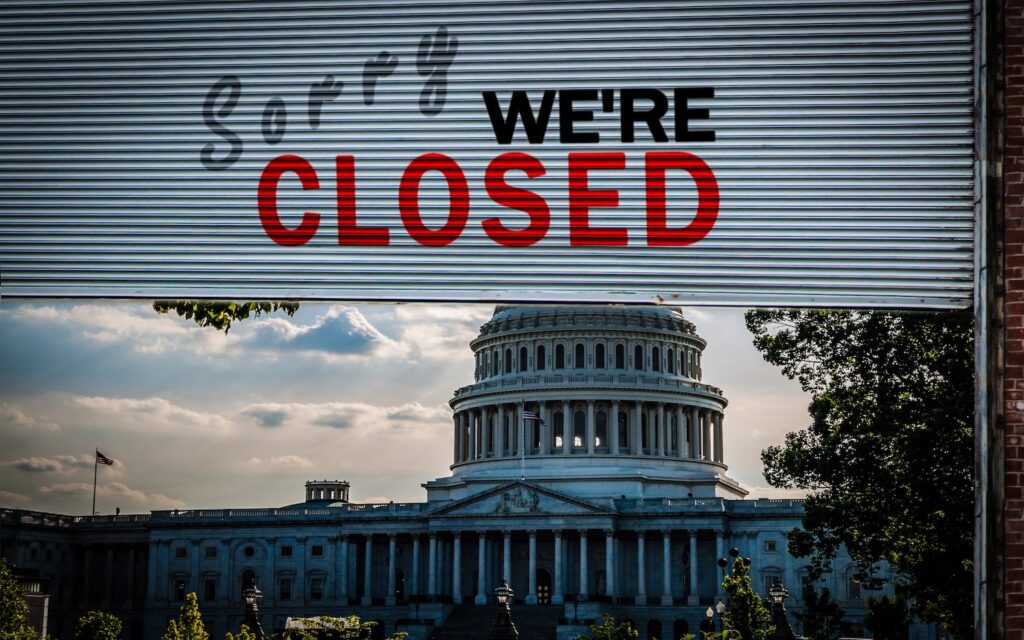
Steel door saying "Sorry We're Closed" in front of US Capitol

What the IRS Shutdown Means for Connecticut Businesses

Key Takeaways Nearly half of IRS employees were furloughed on October 8, 2025, as the government shutdown entered its second week. The agency continues to process electronic filings and payments, but most other operations, including audits and taxpayer assistance, are paused. Extension filers with October 15 deadlines must still submit returns and payments on time, even though IRS

What the IRS Shutdown Means for Connecticut Businesses Read More »

Old couple, laptop and discussion about retirement paperwork, life insurance and finance investment at home. People do taxes online, pension policy documents and budget, woman and man with bills.

The Roth Catch-Up Rule: What Business Owners Should Know

Key Takeaways Roth-only catch-ups begin in 2026. Under the SECURE 2.0 Act, employees earning more than $145,000 will be required to make all catch-up contributions to a Roth account, meaning taxes are paid now instead of later. Higher contribution limits for ages 60-63. Starting in 2025, eligible savers can contribute up to $11,250, giving business owners

The Roth Catch-Up Rule: What Business Owners Should Know Read More »

Woman holding Tax Planning reminder

Five Year-End Tax Strategies Every Connecticut Business Should Consider

As summer winds down, these final months give business owners a chance to do more than close the books; they provide an opportunity to reduce taxes, strengthen cash flow, and prepare for what’s ahead. Here are five key tax areas where Connecticut businesses can benefit from a proactive year-end review. Estimated Tax Payments If your

Five Year-End Tax Strategies Every Connecticut Business Should Consider Read More »

Group of business people architects collaborating on project in office

The Hidden Costs of Misclassifying Workers in Connecticut

For small and mid-sized businesses, every decision about payroll and staffing carries extra weight. One area that often gets overlooked, but can cause major headaches down the road, is worker classification. Whether someone should be treated as an employee or an independent contractor isn’t just a matter of preference. It’s a legal distinction with real tax and compliance implications.

The Hidden Costs of Misclassifying Workers in Connecticut Read More »

S-Corp Checklist phrase on the page.

Should You Still Be an S Corp?

The S corporation has long been a favorite structure for small and mid-sized business owners, and for good reason. It offers liability protection, avoids double taxation, and can reduce self-employment taxes by splitting income between salary and distributions. But with the passage of the One Big Beautiful Bill Act (OBBBA) and other tax shifts on the horizon,

Should You Still Be an S Corp? Read More »

retirement planning concept

New Retirement Plan Proposal Raises Questions About Risk, Fees, and Transparency

A recent executive order has put a spotlight on potential changes to retirement plan rules, specifically the possibility of allowing private equity investments in 401(k) plans. While this may sound like an exciting opportunity for business owners and employees seeking greater returns, it also brings a host of new risks and complications that deserve careful

New Retirement Plan Proposal Raises Questions About Risk, Fees, and Transparency Read More »

Scroll to Top